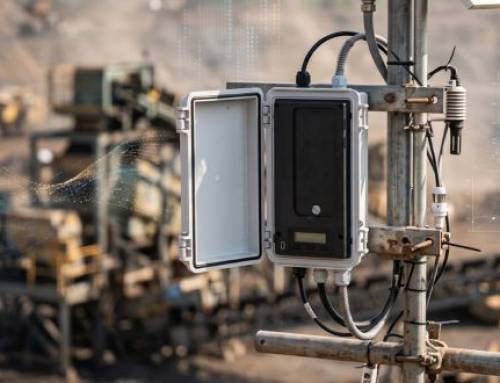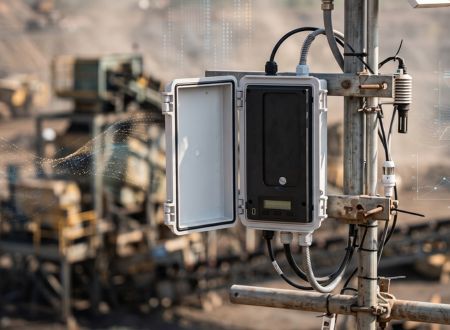
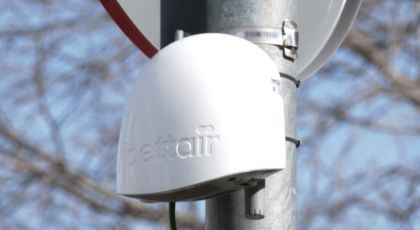
dnota has deployed 38 Bettair stations, the technology recognised with 9 AIRLAB 2025 awards, in eight Catalan municipalities as part of the digital tools project for Low Emission Zones led by the Autoritat del Transport Metropolità (ATM).
For years, sustainable mobility strategies have relied on estimates, theoretical models and forecasts. Today, more and more public authorities are looking for something far more valuable: real evidence.
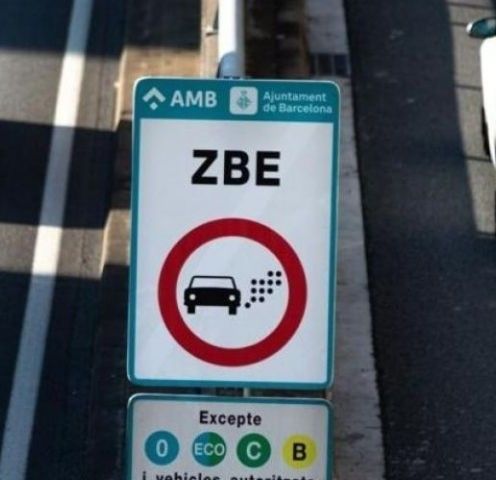
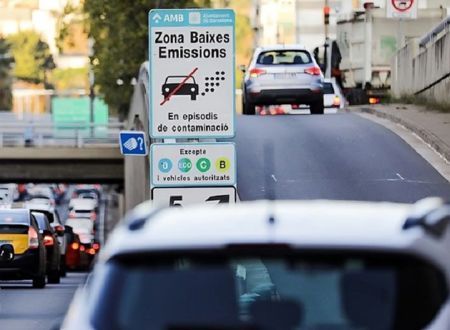
That is the goal of one of the most ambitious and relevant environmental digitalisation and urban mobility projects carried out in Catalonia. Led by the Autoritat del Transport Metropolità (ATM), funded by the European Next Generation EU programme and with dnota as the contractor for the environmental and noise sensors lot, the project aims to transform the management of Low Emission Zones (LEZ) by combining digital technology, mobility analysis and advanced air quality monitoring.
Because an LEZ does not only need to control which vehicles enter a city. It also needs to show whether its measures are genuinely improving the air people breathe.
A commitment to data-driven mobility
Low Emission Zones have become one of the main tools for reducing urban pollution in Europe. Catalonia decided to take on this challenge in a different way.
Instead of each municipality developing its own systems, the ATM promoted a shared platform that brings procedures, permits, access management and data analysis together in a single digital infrastructure. This prevents each city from becoming a technological island and ensures a consistent experience for authorities and citizens alike.
Why this project matters
Regional scale
One platform and one monitoring network for every participating municipality with an LEZ, instead of isolated city-by-city solutions.
Evidence, not estimates
Continuous air and noise data to check whether traffic restrictions are really improving air quality.
European funding
Funded by Next Generation EU, as part of Europe's drive towards cleaner, more digital mobility.
Completed and certified
The works were completed in June 2026, and the ATM has certified that they were carried out satisfactorily.
An LEZ does not just control traffic. It has to prove the air is getting better.
Air quality at the heart of the project
Reducing traffic emissions aims to lower pollutants linked to respiratory and cardiovascular disease, especially in densely populated urban areas.
To verify that this improvement is happening, continuous, reliable and well-distributed environmental information is essential. That is why the ATM and dnota have incorporated a monitoring network based on Bettair technology: not as an add-on, but as an essential tool for assessing the real impact of mobility policies.
38 stations to understand what happens on the street
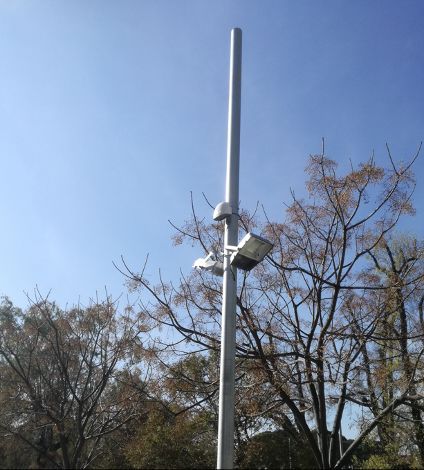
Following the project's preliminary studies, a network of 38 Bettair air quality and noise stations was deployed. Each municipality chose the number of units that best suited its needs and urban characteristics:
The stations continuously measure:
The project also includes management software to validate the sensor data. Beyond meeting the technical specifications, the network provides a much fuller picture of each municipality's environmental performance.
Technology with 9 AIRLAB awards
The stations installed in Catalonia use the same technology that has just won 9 awards at the AIRLAB Microsensors Challenge 2025, organised by AIRLAB Solutions and Airparif.
This edition evaluated 47 microsensor models over months of independent testing in real-world conditions. Bettair achieved the best overall result in all four test environments: Paris, Accra, Bangalore and the Île-de-France metro stations.
For the ATM and the municipalities, this is an added guarantee: the data behind their LEZ decisions comes from a technology independently validated at international level.
Discover the 9 AIRLAB awards →
AIRLAB Microsensors Challenge 2025
What the municipalities gain
Participating councils now have local, specific information on their environmental situation. They can identify trends, analyse sensitive areas and better understand how changes in mobility affect air quality.
This enables more precise public policies and greater transparency towards residents. The main beneficiary is the citizen: not because they see sensors on the street, but because behind them is an infrastructure that turns environmental data into useful knowledge.
A model for the future of LEZs in Europe
The ATM's strategic vision, Next Generation EU funding, the commitment of the municipalities and the technological capability of dnota and Bettair are building more than a digital platform: a new way of understanding Low Emission Zones, where mobility, technology and air quality work together to deliver measurable results.
An LEZ's success lies not only in the technology that controls traffic, but in proving, with real data, that the air we breathe is getting better every day.

About dnota
Find out more about how dnota can help monitor the air we breathe on our website www.dnota.com and on our social media channels, where you can see all our products and services.
You can also watch our #videocorporativo (corporate video), showing dnota's vision of how to monitor the air we breathe.
You may also be interested in: dnota awarded the ATM's LEZ environmental sensors contract (in Spanish) · Smart Cities – LEZ (in Spanish)
Does your municipality need to measure the impact of its LEZ?
We help you design an air quality and noise monitoring network with Bettair technology.