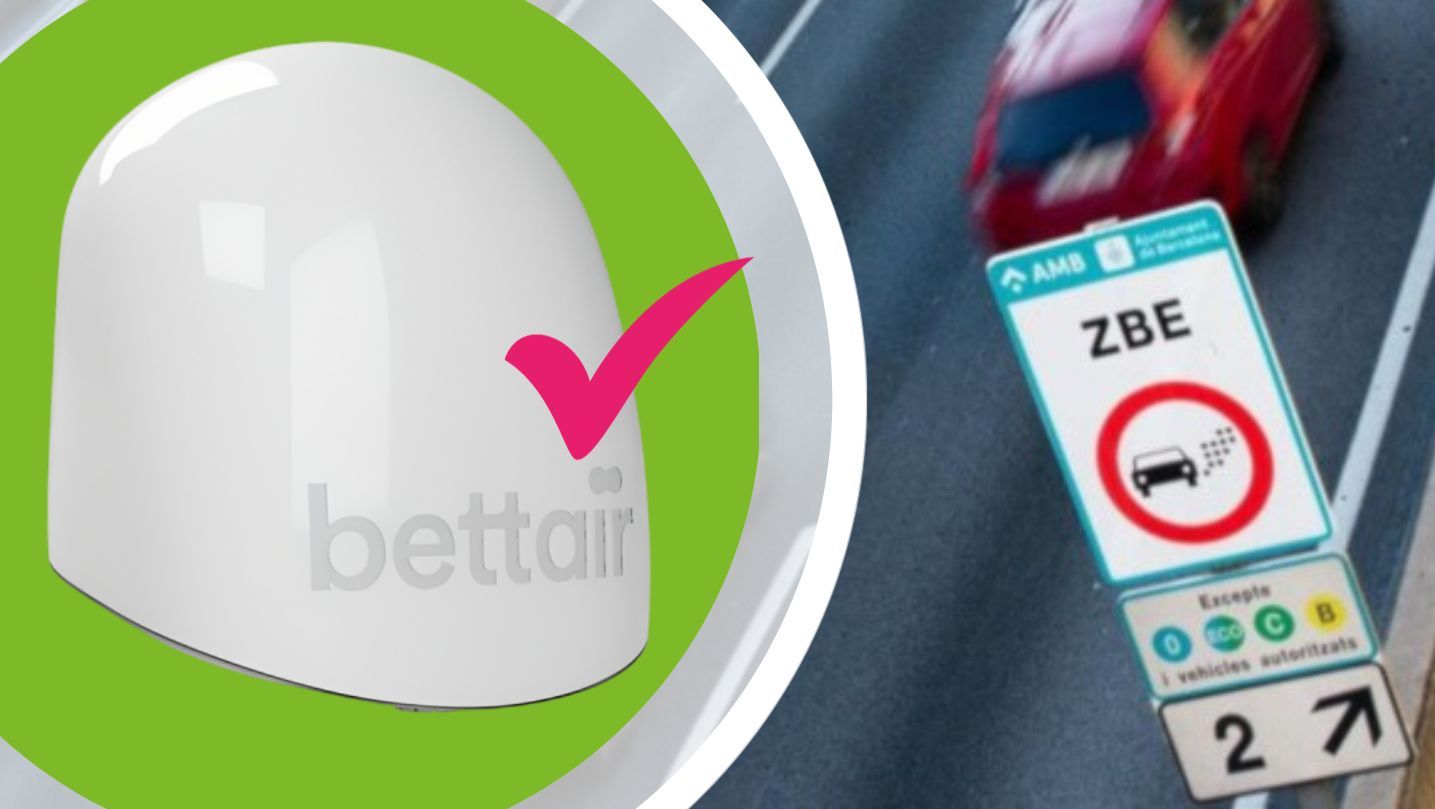
Las Palmas de Gran Canaria now measures air quality and noise in its Low Emission Zone in real time with Bettair sensors, in a project managed by dnota for the City Council and Sagulpa.
In the mediaRTVC · La Provincia · Sagulpa · Canariasenmoto

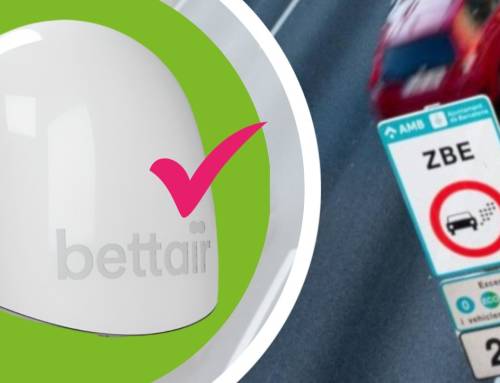
Las Palmas de Gran Canaria City Council, through its municipal mobility company Sagulpa, has added smart sensors with Bettair technology to its Low Emission Zone (LEZ) to measure air quality and environmental noise in real time. dnota managed the project.
The launch in April received wide coverage in the Canary Islands media, from Radio Televisión Canaria to the daily press and specialist outlets, which highlighted the city's move towards data-driven mobility management.
Three days of coverage in the Canary Islands
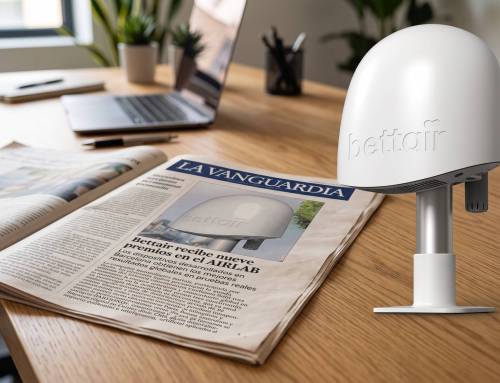
From 9 to 11 April, the installation was covered by Radio Televisión Canaria (RTVC), the daily press and specialist mobility media, and was also announced on Sagulpa's official channel. Articles in Spanish.
 RTVC · Canary Islands public broadcasterLas Palmas de Gran Canaria despliega sensores inteligentes para mejorar la salud ambiental
La Provincia dailyLas Palmas section · 9/04/2026Sensores inteligentes para medir la calidad del aire y el ruido en Las Palmas de Gran Canaria
La Provincia · Las Palmas dailySensores inteligentes para medir la calidad del aire y el ruido en Las Palmas de Gran Canaria
 Sagulpa · Official announcementLas Palmas de Gran Canaria avanza en la Zona de Bajas Emisiones con la incorporación de sensores inteligentes
 Canariasenmoto.com · MobilityImplantan sensores de emisiones y ruido en la ZBE de Alcaravaneras
General and specialist media share the same message: the Las Palmas de Gran Canaria LEZ will be managed with data measured on the street.
First monitoring points in Alcaravaneras
The first sensors have been installed in the Alcaravaneras area, on busy streets where the relationship between traffic, everyday activity and air quality can be tracked in real time:
- Calle GaliciaCorner of Víctor Hugo
- Calle Manuel González MartínCorner of Pío XII
According to RTVC, these first units are the starting point of a progressive rollout to more neighbourhoods and districts, with the aim of building a dense data network across the city's key locations.
What the sensors measure
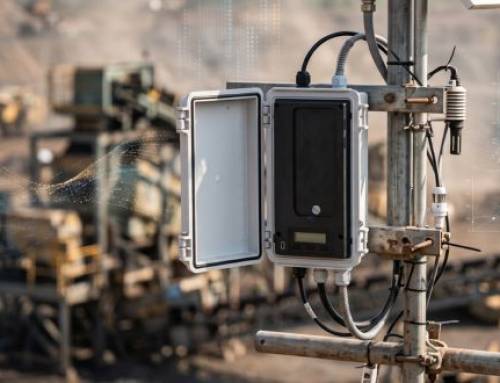
Each Bettair node continuously records pollutants, noise and weather variables:
The units run on solar panels, with no need for a mains connection, and send their data every few minutes to a digital platform that turns it into maps and visualisations for municipal technicians.
For the city's councillor for Mobility, José Eduardo Ramírez, the sensors are a key step forward in managing mobility and public space: real-time data enables more precise decisions, and the LEZ needs reliable information to work well.
Statements reported by Sagulpa and RTVCAnother Spanish city managing its LEZ with real data.

Technology with 9 AIRLAB awards
The sensors use Bettair technology, which won 9 awards at the AIRLAB Microsensors Challenge 2025, organised by AIRLAB Solutions and Airparif, with the best overall result in all four test scenarios: Paris, Accra, Bangalore and the Île-de-France metro.
For the city, this is a guarantee that LEZ decisions are based on data from independently validated technology.
Discover the 9 AIRLAB awards (in Spanish) →An LEZ managed with data
A Low Emission Zone does more than regulate which vehicles can enter. It also needs to check whether its measures improve the air that residents and visitors breathe. With a real-time monitoring network, Las Palmas de Gran Canaria can anticipate problems, identify hotspots and assess the effect of its mobility decisions.
For dnota, the project adds to other Bettair networks for LEZs in Spain, such as the 38 stations deployed for the Autoritat del Transport Metropolità in Catalonia and the nodes in Ciudad Real.

About dnota
Find out more about how dnota can help monitor the air we breathe on our website www.dnota.com and on our social media channels, where you can see all our products and services.
You can also watch our #videocorporativo (corporate video), showing dnota's vision of how to monitor the air we breathe.
You may also be interested in: Bettair, 9 AIRLAB 2025 awards (in Spanish) · Smart Cities – LEZ (in Spanish)
Sources: Sagulpa (10/04/2026), RTVC (09/04/2026), La Provincia (09/04/2026) and Canariasenmoto.com (11/04/2026), in Spanish. Photos: Las Palmas de Gran Canaria City Council / Sagulpa. Screenshots of each outlet's original publication.
Does your city need to measure the impact of its LEZ?
We help you design an air quality and noise monitoring network with Bettair technology.