Case Studies
Bettair’s contribution to low-emission zones in Spain
Multiple cities in Spain
Urban
Challenge
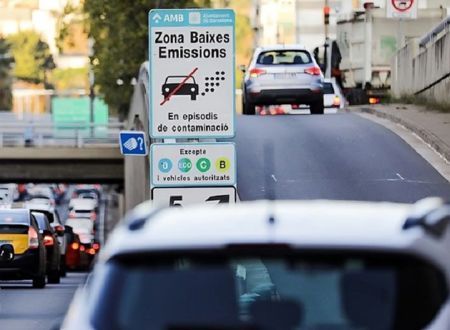
With the approval in Spain of regulations requiring the implementation of Low Emission Zones (LEZ) in municipalities with more than 50,000 inhabitants, island territories and municipalities with more than 20,000 inhabitants that exceed air quality limit values, many cities must design sustainable mobility plans, implement corrective measures to mitigate pollutants and, at the same time, ensure a robust environmental control system.
The main challenge was to ensure that the EPZs would have a continuous, accurate and distributed monitoring system for pollutants (NO2, O3, NO, CO, particulate matter). In addition, many areas lacked sufficient measurement infrastructure, traditional fixed stations did not cover the entire territory, especially in peripheral neighborhoods, industrial zones or areas with high mobility. These gaps made it difficult to evaluate the real impact of the EPZs and their acceptance by the public.
Solution
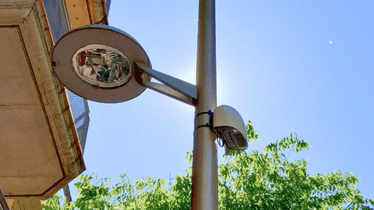
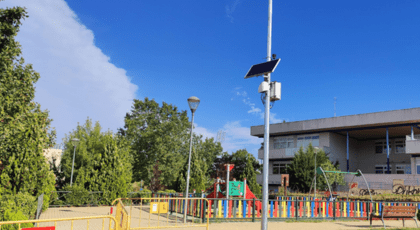
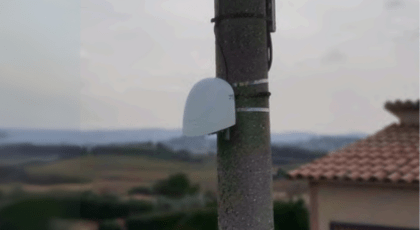
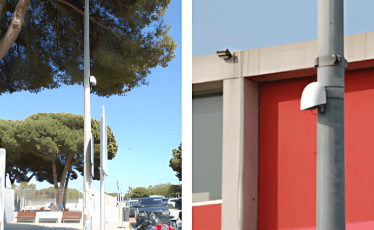
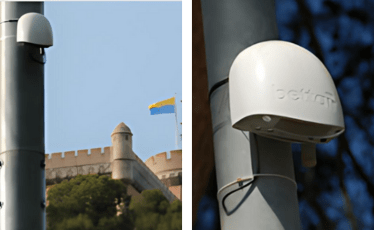
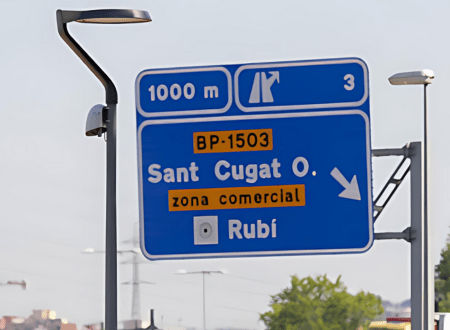
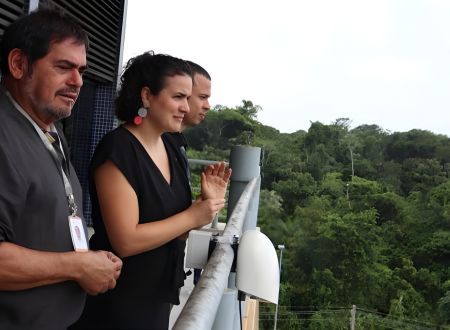
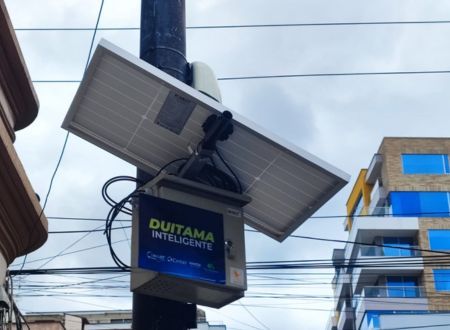
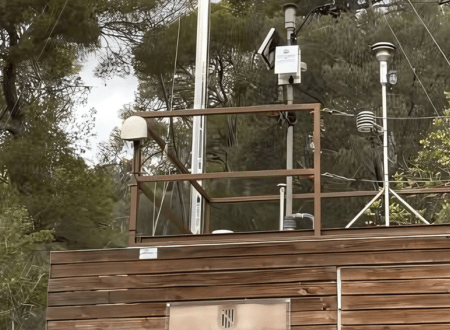
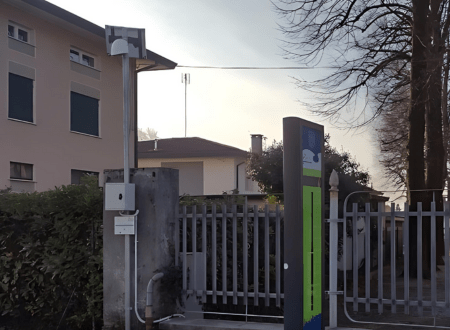
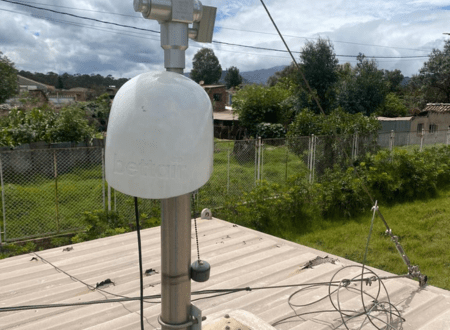
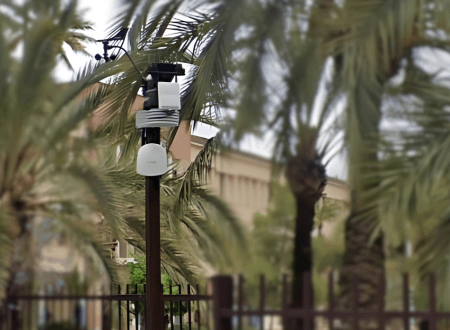
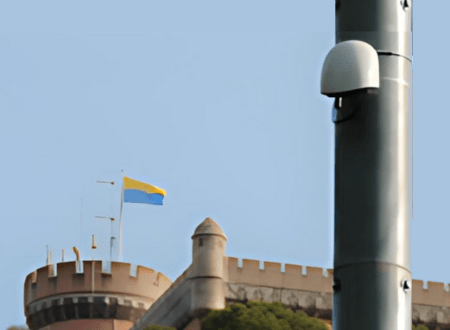
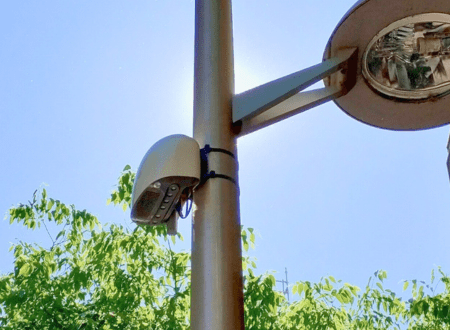
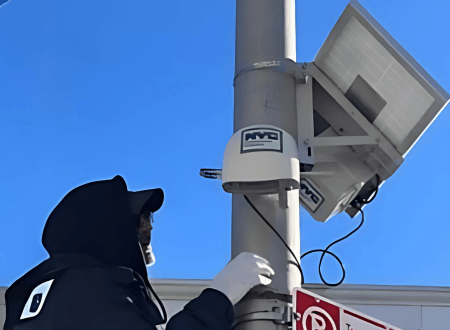
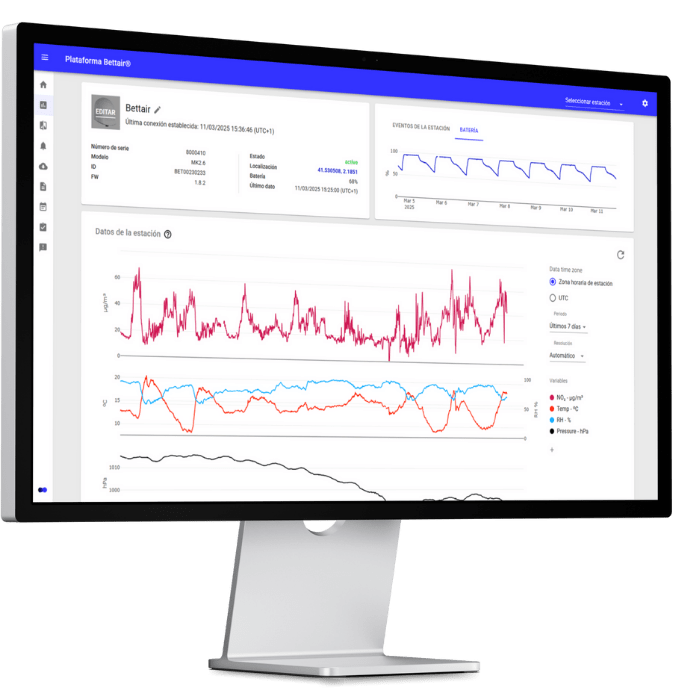
Bettair deployed a network of compact quality measurement stations in multiple ZBE cities in Spain, installing dozens of strategically distributed nodes to ensure wide coverage. In each city, the number of nodes was adapted to its size, population and traffic types. The network measures key pollutants NO2, O3, NO, CO, PM2.5/PM10 particulate matter, noise and other parameters as appropriate, along with meteorological variables, capturing data in real time and 24 hours a day. In addition, the Bettair platform consolidates this data, enabling visualization, alerts, historical analysis and decision support tools.
This system allows:
- Accurately assess air quality and noise, as well as their evolution after the implementation of the EPZ.
- Identify hot spots or neighborhoods with persistent contamination, even away from traditional stations.
- Offer transparency to citizens and authorities through open or accessible data.
- Integrate environmental monitoring as part of sustainable urbanism and mobility planning.
Technologies in use

Bettair Stations

Anemometer
Bettair Platform

API Bettair
Outcomes
Cities with Bettair nodes have reliable and up-to-date data on air pollution, making it possible to assess the real effect of BEZs and justify mobility decisions with scientific evidence.
In small and medium-sized municipalities, the distributed network detected pollutants in areas not covered by classical stations, demonstrating that urban pollution is not homogeneous and that monitoring should be decentralized.
Transparency generated with data accessible to authorities and, in many cases, to citizens improves public confidence, facilitates citizen participation and reinforces the legitimacy of environmental measures.